
Digestive Discomfort
Bloating, irregular digestion, and reduced absorption of essential nutrients.

Your gut is more than your digestive system. It's home to trillions of microbes that shape your immunity, mood, energy, and resilience. When that ecosystem falls out of balance from stress, poor diet, antibiotics, or modern living, the effects rarely stay local. They ripple through every system in your body, long before they show up as a stomach issue.
Bloating, irregular digestion, and reduced absorption of essential nutrients.
A disrupted gut compromises the 70% of your immune system housed there.
Microbial imbalance disrupts the gut-brain signaling that regulates mood.
Reduced clarity, focus, and cognitive performance from gut-brain dysfunction.
Internal imbalance shows up as breakouts, redness, and sensitivity.
Leaky gut and dysbiosis fuel low-grade, system-wide inflammation.


Increases beneficial Streptococcus thermophilus by 66% in clinical studies.

Reduces opportunistic Klebsiella pneumoniae by over 94% in vitro.

Lowers stress cortisol by 44% and improves mood, cognition, and resilience.
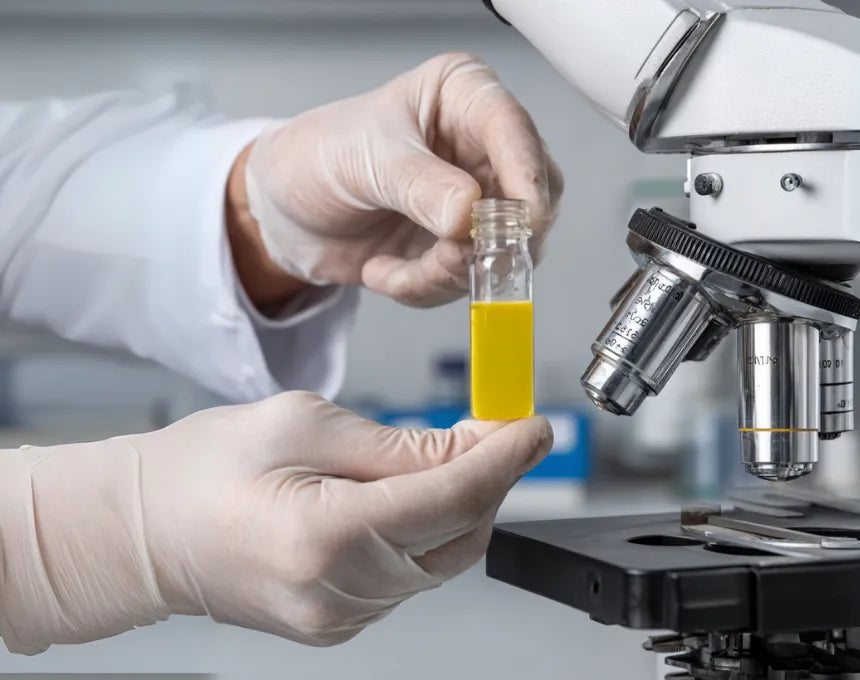
A randomized, double-blind, placebo-controlled clinical trial evaluated ThymoQuin® supplementation (500 mg/day for 4 weeks) in 37 healthy recreational runners preparing for marathon and half-marathon events. Endurance running was chosen as a validated model for physiological and psychological stress, allowing researchers to measure how ThymoQuin shifts the gut microbiome and its downstream effects on stress resilience, immunity, and mood.
+ 66%
Higher beneficial Streptococcus thermophilus over 4 weeks of daily use.
+ 8
Higher overall microbiome composite score, reflecting improved diversity.
− 44%
Reduction in cortisol, indicating gut-driven stress resilience.
+ 11%
Measurable improvement in mood and cognition via the gut-brain axis.

+ 53 fold
Stimulation of probiotic, beneficial Streptococcus thermophilus.
- 94%
Effective reduction of the opportunistic pathogen K. pneumoniae.
0.25–0.5%
Defined concentration range for optimal microbiome modulation
Preserved
L. plantarum and F. prausnitzii, and A. muciniphila maintained across the selective hormetic range.
Not all black seed oils are created equal. Most products on the market contain less than 1% thymoquinone with high free fatty acid levels, meaning lower potency, poor stability, and inconsistent results. Some competitors claim 5–10% TQ, but research shows this can actually harm the beneficial gut bacteria the ingredient is supposed to support.
| PARAMETER | ThymoQuin® | Generic BSO |
|---|---|---|
| Thymoquinone (TQ) | ≥3% (standardized) | <1% (variable) |
| p-Cymene | >1% (controlled) | Uncontrolled (variable) |
| Free Fatty Acids | ≤1.25% | 7–50% |
| USP Monograph | Meets all standards | Does not meet |
| Clinical Validation | Double-blind, placebo-controlled | No clinical trials |
Our team can help you understand how ThymoQuin fits into your gut health, immune, or microbiome formulation, from clinical data to dosing guidance to regulatory support.
It's the community of trillions of microorganisms in your digestive tract. It plays a central role in digestion, immune function, mood, and the stress response. When it drifts out of balance, a state called dysbiosis, the effects can reach well beyond the gut.
It means a diverse, resilient microbial ecosystem where beneficial bacteria can thrive. The goal isn't to eliminate bacteria. It's to support the right mix so the gut can do its work.
Selective modulation means supporting beneficial bacteria while limiting opportunistic ones, instead of affecting the whole ecosystem at once. ThymoQuin® isn't a fiber prebiotic, but it has demonstrated selective, prebiotic-like effects in laboratory research.
In vitro (Papini et al. 2026, preprint): within a defined concentration window (0.25–0.5%), ThymoQuin® stimulated S. thermophilus up to 53-fold, preserved L. plantarum, and reduced opportunistic K. pneumoniae by more than 94%. At 1% and above, selectivity was lost.
Selective modulation means supporting beneficial bacteria while limiting opportunistic ones, instead of affecting the whole ecosystem at once. ThymoQuin® isn't a fiber prebiotic, but it has demonstrated selective, prebiotic-like effects in laboratory research.
In vitro (Papini et al. 2026, preprint): within a defined concentration window (0.25–0.5%), ThymoQuin® stimulated S. thermophilus up to 53-fold, preserved L. plantarum, and reduced opportunistic K. pneumoniae by more than 94%. At 1% and above, selectivity was lost.
In a randomized, double-blind, placebo-controlled study, recreational runners took 500 mg of ThymoQuin® daily for four weeks. They showed higher levels of beneficial S. thermophilus, an improved overall microbiome composite score, and improved mood, alongside a 44% reduction in salivary cortisol within three weeks.
Microbiome changes were observed over the four-week study. The microbiome adapts gradually, so consistent daily use matters.
No. It's cold-pressed, full-spectrum, and standardized to at least 3% thymoquinone, with free fatty acids no more than 1.25%, controlled p-cymene, compliance with the USP monograph standard, and clinical research on the actual ingredient.
Yes. Pair it with a varied, fiber-rich diet, fermented foods, hydration, sleep, and activity. Consult a healthcare professional before starting any new supplement.

*These statements have not been evaluated by the FDA. ThymoQuin is not intended to diagnose, treat, cure, or prevent any disease. Always consult your healthcare provider before starting a new supplement.

JOIN THE COMMUNITY
Wellness starts with
what you know


